
Most Popular Types of Roofs for Residential Replacements
Replacing a roof is a significant home improvement project that affects a property’s appearance, protection, energy efficiency, and long-term maintenance requirements. Homeowners considering a replacement have numerous roofing materials to choose from, each offering distinct advantages in durability, design, and performance. Understanding these options makes it easier to select a roofing system that complements the home while addressing practical concerns.
The most suitable residential roofing material depends on factors such as local weather conditions, architectural style, structural requirements, and available budget. While some homeowners prioritize affordability, others prefer materials known for longevity or distinctive aesthetics. Professional roofing contractors can help evaluate these considerations and recommend appropriate solutions.
Why Asphalt Shingle Roofs Remain a Popular Choice
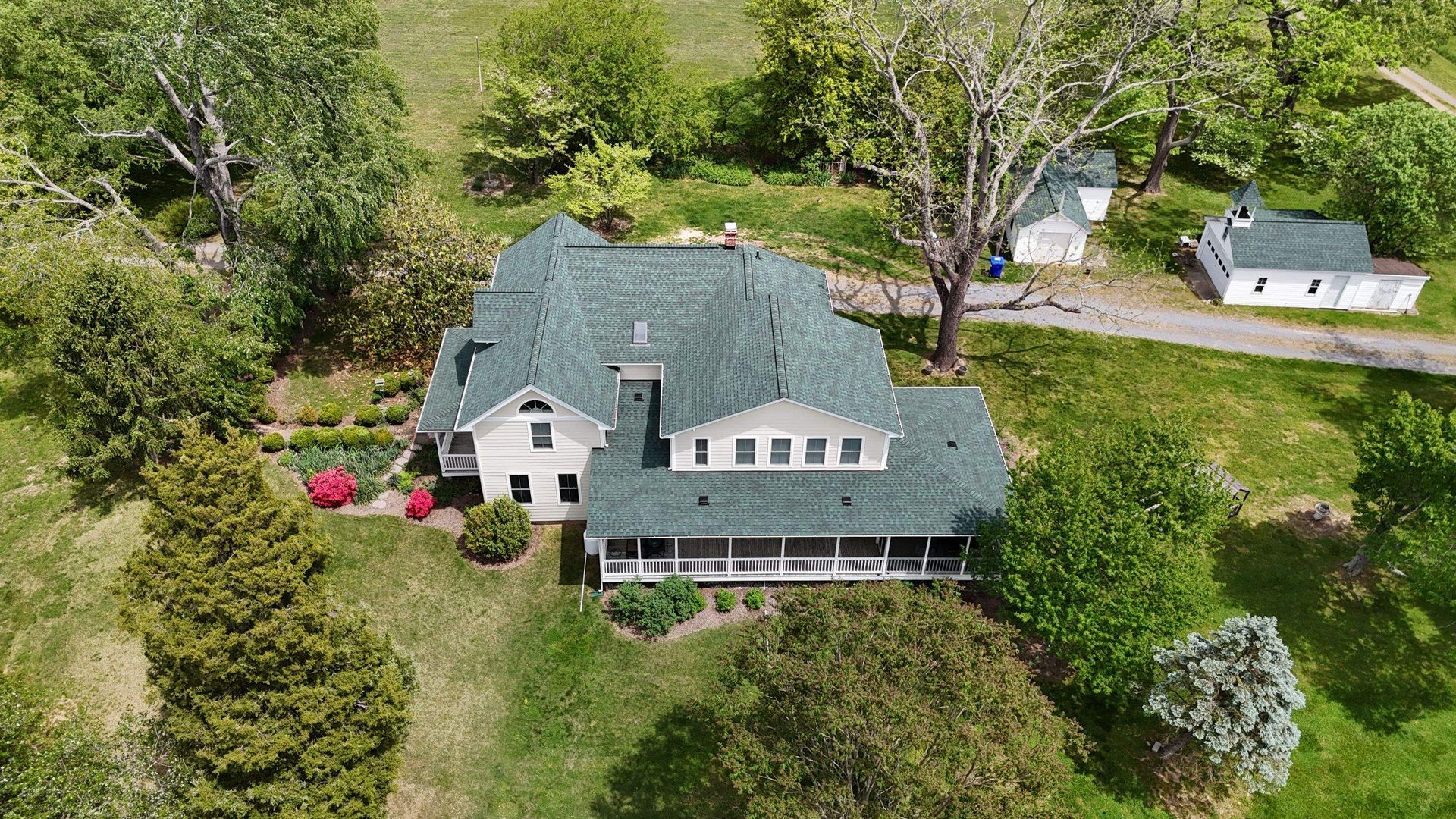
Asphalt shingles are among the most widely used materials for residential roof replacements. Their popularity comes from their affordability, versatility, and compatibility with numerous architectural styles. Available in various colors, textures, and profiles, asphalt shingles allow homeowners to achieve an attractive appearance without committing to the higher costs associated with certain premium materials.
Modern asphalt shingles are manufactured with protective features designed to withstand common environmental challenges, including rain, wind, and prolonged sunlight exposure. Architectural shingles are particularly appealing because their layered construction creates additional dimension while providing enhanced durability compared with traditional basic shingles.
Why Metal Roofs Remain a Popular Choice
Metal roofing has become increasingly attractive to homeowners seeking durability, energy efficiency, and modern aesthetics. Available in materials such as steel, aluminum, and copper, metal roofs can complement contemporary homes while also accommodating traditional architectural designs. Their distinctive appearance and variety of finishes make them a flexible option for residential properties.
An important benefit of metal roofing is its resistance to many environmental conditions. Properly installed systems can provide substantial protection against heavy rain, wind, and temperature fluctuations. Certain metal finishes also reflect solar radiation, potentially reducing heat absorption and supporting improved indoor comfort during warmer months.
Market information highlights the importance of these materials within the broader industry. According to Roofing Contractor, single-ply and metal roofing systems collectively generate an average of 33% of sales revenue.
Why Slate Roofs Remain a Popular Choice
Slate roofing appeals to homeowners who appreciate natural materials, distinctive architectural character, and exceptional longevity. Made from natural stone, slate tiles create an elegant appearance commonly associated with historic residences, traditional estates, and upscale residential properties. Their subtle color variations and textured surfaces contribute to a refined aesthetic that manufactured materials may struggle to replicate.
Durability is among slate’s most notable qualities. Natural slate is resistant to fire, moisture, and many forms of weather-related deterioration. When properly installed and maintained, a slate roof can remain functional for an extended period, making it attractive to homeowners who value long-term investments.
However, slate presents considerations that require careful professional assessment. Its substantial weight may necessitate additional structural support, while specialized installation techniques contribute to higher project costs. Individual tiles can also crack when subjected to improper handling or concentrated impact. Despite these limitations, slate remains a desirable residential roofing material for homeowners prioritizing timeless appearance, natural composition, and lasting performance.
Why Clay Tile Roofs Remain a Popular Choice
Clay tile roofing is particularly recognizable for its distinctive shapes, warm colors, and association with Mediterranean, Spanish, and Southwestern architectural styles. Manufactured from natural clay and fired at high temperatures, these tiles offer an appealing combination of traditional craftsmanship and functional protection.
Clay tiles perform especially well in regions with substantial sunlight and warm temperatures. Their thermal characteristics, combined with appropriate roof assembly design, can help manage heat transfer into the home. They also resist fire and deterioration caused by many environmental conditions, making them suitable for homeowners interested in durable roofing materials.
Why Concrete Tile Roofs Remain a Popular Choice
Concrete roofing tiles provide an alternative for homeowners who appreciate the appearance of traditional tile roofs but want additional flexibility in design and material selection. Manufactured from a mixture of cement, sand, and water, these tiles can be shaped and colored to resemble clay, slate, or other architectural roofing products.
Concrete tiles offer substantial durability and resistance to common environmental challenges. Their dense composition provides protection against rain, sunlight, and various weather conditions when incorporated into a properly designed roofing system. Available finishes also allow homeowners to coordinate roof colors with siding, masonry, and exterior decorative elements.
Compared with certain premium natural materials, concrete tiles may provide a more accessible pricing option, depending on product specifications and installation requirements. Nevertheless, their weight remains an important consideration, and some finishes may experience visible changes as they age.
Professional assessment helps homeowners determine whether their property can accommodate concrete roofing. With suitable structural support and proper installation, this material can deliver an appealing combination of architectural versatility, reliable protection, and long-term performance.
Why Wood Shake Roofs Remain a Popular Choice
Wood shake roofs remain appealing to homeowners who prefer natural textures and rustic architectural character. Commonly manufactured from cedar, wood shakes feature irregular surfaces and dimensional variations that create a distinctive appearance. They are particularly well suited to cottages, traditional homes, and properties surrounded by natural landscapes.
Beyond visual appeal, wood offers insulating characteristics that can contribute to overall roof performance when paired with an appropriately designed roofing assembly. Over time, untreated wood naturally changes color, developing a weathered appearance that some homeowners find especially attractive.
However, wood roofing generally requires more attention than several alternative materials. Moisture exposure, biological growth, insects, and fire concerns can influence its suitability, depending on regional conditions and applicable building requirements.
Homeowners considering wood shakes should discuss maintenance expectations, material treatments, and local restrictions with qualified contractors. Although these considerations may increase ownership responsibilities, wood shakes continue to occupy a distinctive place in residential roofing because of their natural beauty and architectural warmth.
Why Synthetic Roofs Remain a Popular Choice
Synthetic roofing materials have gained attention as manufacturers develop products designed to reproduce the appearance of natural slate, wood shakes, and other traditional roof coverings. Often made from engineered polymers, recycled materials, or composite formulations, these roofing products offer homeowners additional possibilities for balancing appearance, durability, and installation requirements.
A significant advantage is their design flexibility. Certain synthetic products closely resemble premium natural materials while weighing considerably less. This can make them attractive for properties where installing heavy stone or tile roofing would require substantial structural modifications.
Performance characteristics vary among manufacturers, so homeowners should examine product specifications, applicable warranties, and documented resistance to environmental conditions. Some synthetic roofing systems are engineered to withstand impacts, moisture, and temperature changes, although these capabilities should never be assumed across every product.
Professional guidance is particularly valuable when comparing synthetic materials. Selecting a product appropriate for the home’s climate, roof configuration, and architectural style helps ensure the replacement delivers practical benefits alongside its intended appearance.
Why Choosing the Right Roof Remains a Popular Priority
Selecting an appropriate roof involves more than comparing colors and installation prices. Homeowners should consider how each material responds to their local climate, how much maintenance it requires, and whether the existing structure can accommodate its weight. The roofing system’s expected service life and compatibility with ventilation and drainage components are equally important.
Understanding these differences helps homeowners make informed decisions about residential roofing investments. Asphalt shingles provide affordability and versatility, while metal and slate offer distinctive long-term advantages. Clay and concrete tiles contribute architectural character, wood shakes deliver natural appeal, and synthetic products introduce alternative design possibilities.
Ultimately, the right choice balances appearance, performance, maintenance expectations, and financial considerations. Working with knowledgeable roofing professionals allows homeowners to evaluate these factors carefully and select materials suited to their property’s specific requirements.
A successful roof replacement depends on appropriate material selection, careful preparation, and professional installation. Even high-quality products may perform poorly when essential roofing components are incorrectly installed or underlying structural concerns remain unresolved.
At Sharp’s Contracting, LLC, we understand the importance of protecting your home with a roofing system suited to its unique requirements. Our team can help you evaluate replacement options, discuss material characteristics, and make informed decisions about your investment. Contact us to learn more about our residential roof replacement services and how we can assist with your upcoming project.



Share On: